.png)
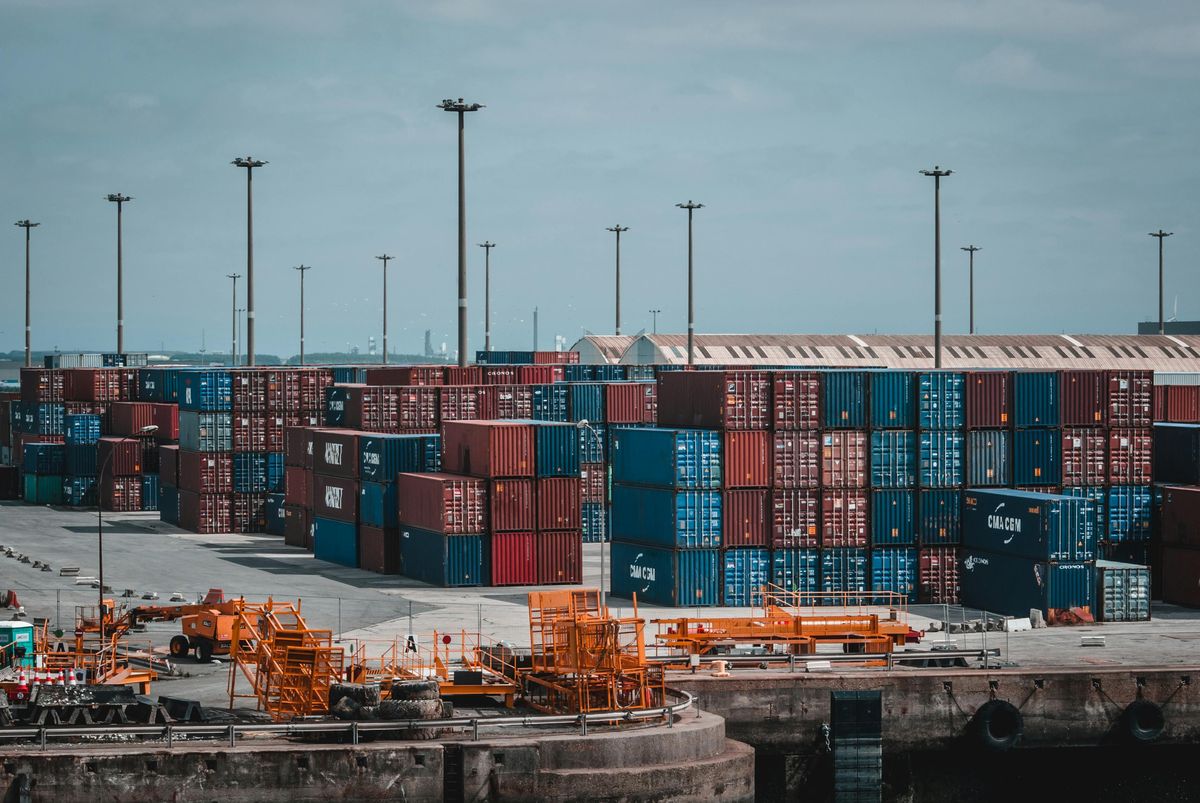
Two abbreviations decide who pays for what, and who's on the hook if something goes wrong in transit: FOB and CIF. If you're importing from an Indian exporter for the first time, understanding these terms — formally called Incoterms — will save you from surprise costs and unclear liability.
Incoterms (International Commercial Terms) are a standardized set of trade terms published by the International Chamber of Commerce. They define, at a specific point in the shipping journey, exactly where the seller's responsibility ends and the buyer's begins — covering cost, risk, and who arranges transport and insurance.
Under FOB, the seller's responsibility ends once the goods are loaded onto the vessel at the named port of loading (for Sunrise Grain, typically a port near Kandla, Mundra, or Nhava Sheva depending on cargo and destination).
FOB gives the buyer control over freight booking and insurance — useful if you already have favorable shipping line contracts or a preferred freight forwarder.
Under CIF, the seller arranges and pays for ocean freight and marine insurance all the way to the named port of destination — but risk still transfers to the buyer once goods are loaded onto the vessel at the origin port, even though the seller is paying for the onward journey.
CIF is often more convenient for first-time or smaller-volume buyers, since it removes the need to independently arrange freight and insurance.
| FOB | CIF | |
|---|---|---|
| Freight arranged by | Buyer | Seller |
| Insurance arranged by | Buyer | Seller (minimum cover) |
| Risk transfers at | Port of loading | Port of loading |
| Best suited for | Buyers with their own freight/logistics relationships | Buyers who want a simpler, all-in landed price to their port |
Under both FOB and CIF, risk transfers at the port of loading — the difference is only who pays the freight and insurance bill, not who bears the risk in transit.
Every product page on our site lists the applicable HS code, certifications and major export markets — see an example on our wheat export page. We quote both FOB and CIF depending on what works best for your logistics setup.
Tell us your destination port and order size, and we'll quote both FOB and CIF so you can compare.
Request a Quote