.png)
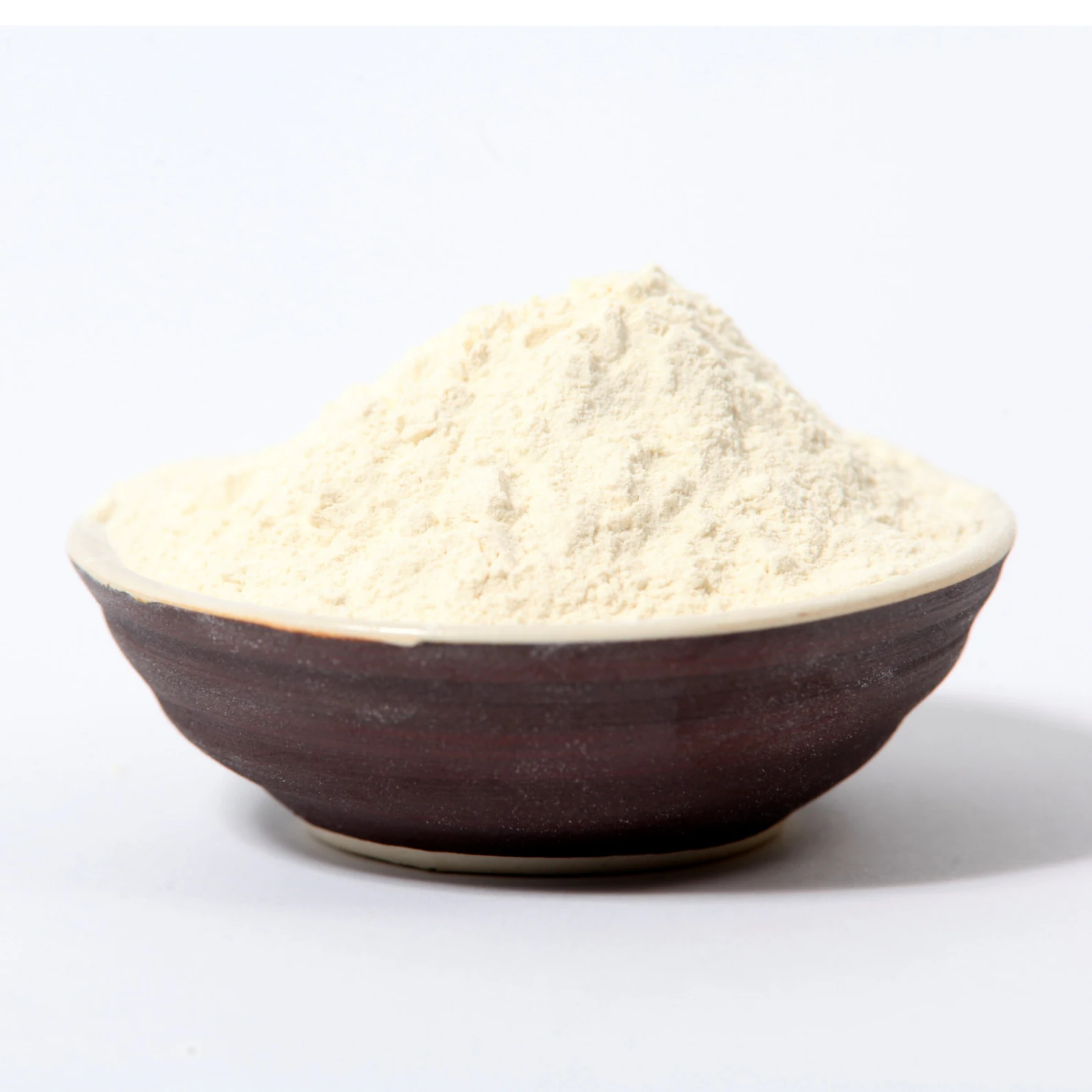
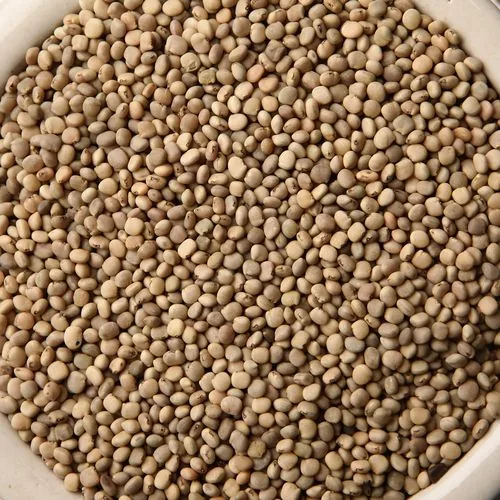
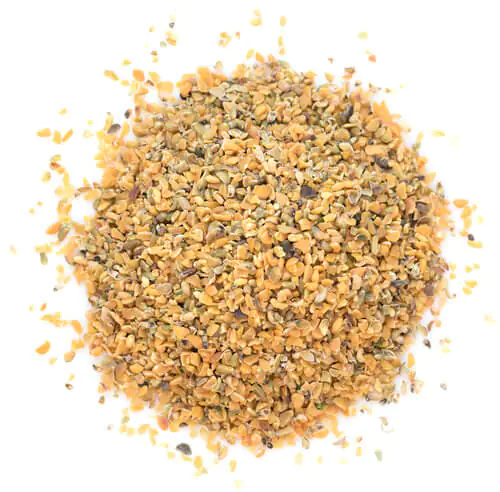
High-purity guar endosperm (split) — primary raw material for guar gum & hydrocolloid applications.
 FSSAI
 HACCP
 ISO 22000
 HALAL
 APEDA
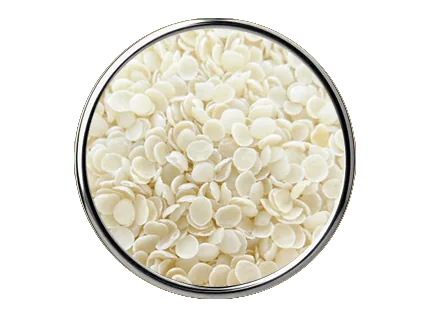
Sunrise Grain supplies premium guar gum splits — the de-husked, de-germed guar seed halves used as the raw material for guar gum powder production. Sourced directly from cultivators in Rajasthan's guar belt and processed at our own facility, our splits are graded for consistent particle size and fast hydration performance, a key quality marker for gum processors and industrial buyers. . We supply guar gum splits — the semi-finished intermediate produced after dehusking and splitting — to buyers who prefer to mill the powder in their own facilities. Reliable origin-direct supply from the Rajasthan belt.
Guar splits differ from guar gum powder in that they're an intermediate product — ideal for buyers who run their own grinding and processing operations rather than purchasing finished powder. If you're unsure whether splits or powder suit your production line, our team can walk you through the difference and recommend the right grade for your process.
What a buyer can plan for in a 20 ft or 40 ft container of Guar Gum Splits, and the packing options we export under.
Common questions buyers ask about sourcing Guar Gum Splits from Sunrise Grain.
Standard MOQ is one 20ft FCL (18-20 MT typical) for competitive bulk pricing. Trial samples (1-5 kg) are available on request so you can validate quality and specifications before committing to a full container.
15-21 days from confirmed PO to container loading, depending on order size, grade, and packaging requirements. Rush orders can be accommodated subject to current production schedule — please confirm with our team at inquiry stage.
We export to 35+ countries across the Middle East, Southeast Asia, Africa, China, Europe, and the USA. Full export documentation — phytosanitary certificate, certificate of origin, quality test reports — is prepared by our in-house team.
FSSAI, HACCP, ISO 22000, and HALAL certified facility, with APEDA registration. Every batch is tested for the specifications listed above before dispatch. Third-party lab reports, mill test certificates, and specification sheets are provided with each shipment.
Yes. Mesh size, moisture spec, bag weight, outer packaging, and private-label artwork can all be customized to buyer requirements. Minimum customization varies by spec — share your requirement in the inquiry form and we'll confirm feasibility and MOQ.
Yes. Paid samples (1-5 kg) with full specifications and quality report are shipped globally within 7-10 days. Sample cost is credited against the first bulk order.
Hand-picked next steps for buyers researching this category.
What splits buyers should look for before ordering FCL quantities.
Guar gum splits are the dehusked endosperm halves of the guar bean — the raw material from which guar gum powder is milled. Buyers who have their own milling operation prefer splits over powder because it gives them full control over particle size, hydration profile and lot consistency.
Buy guar gum powder if you want ready-to-use material. Buy guar gum splits if you have an in-house grinding and polishing operation and want to produce your own custom viscosity and mesh grades at lower per-kg cost.
Export-grade splits are evaluated on: galactomannan content (typically 78–82% dry basis), moisture (below 10%), foreign matter (below 1%), colour (uniform cream to light tan), and expected viscosity when milled (3500–6000 cps depending on origin grade).
The main buyers of guar splits are oil-field service companies, large food-ingredient conglomerates with their own hydrocolloid lines, and specialty chemical producers who derivatize splits in-house to produce HPG, CMHPG or CMG.
Common buyer questions on this product — matched to the queries buyers actually type into Google.
Splits are the dehusked endosperm halves of the guar bean. Powder is produced by grinding and polishing the splits. Splits are 10–20% cheaper per kg than finished powder because they are semi-finished product.
Yes — most derivatized guar grades are made by reacting splits (not powder) with propylene oxide (for HPG) or sodium chloroacetate (for CMG). Buyers with chemical reactor capacity typically prefer splits as the feedstock.
Standard splits yield 3500–5000 cps guar gum powder when milled to 200 mesh. Higher-selectivity origin lots and finer milling can push this to 5500–6000 cps.
Standard: 25 kg or 50 kg PP woven bags with inner liner. Industrial buyers taking high volumes often order 1 MT PP jumbo bags with liner for direct discharge into milling lines.
Below 10% at loading. Above 10% moisture risks fungal growth during long sea voyages and reduces downstream milling efficiency.
One 20ft FCL (20–22 MT). Established milling operations often order 2–5 FCL per shipment on recurring contracts.
18–24 months in cool, dry storage below 25°C and under 60% relative humidity. Jumbo bags should be stacked no more than 3 high to prevent compaction.
Standard base splits are our primary export; derivatized grades are available on contract basis with longer lead times (45–60 days) and dedicated production campaigns.